

Windridge History and Philosophy

Skills for life, friends forever!
Young people who are encouraged to do well in things they enjoy grow as people, on the court and off it.
The Windridge philosophy starts with a simple observation: children who are truly engaged in something they love don’t just get better at that thing. They grow as people. By combining serious sport instruction with the experience of living, competing, and belonging together as a community, we give campers something that lasts well beyond August.
We believe summer should be a break from the stresses and anxieties of the school year, a place built around discovery, movement, and the freedom to just be a kid. Fun and improvement aren’t opposites at Windridge. They’ve always gone hand in hand.
Within the Windridge community, campers discover what trust and respect for others really mean. They find confidence in themselves through hard work and competition. They learn to set goals and to handle success with humility and disappointment with grace, lessons that stay with them long after the summer is over.
We keep enrollment at about 140 campers per session by choice, because our directors want to know every camper by name, and because camp should feel like a family. That number is a commitment, and one we take seriously.
The co-founders
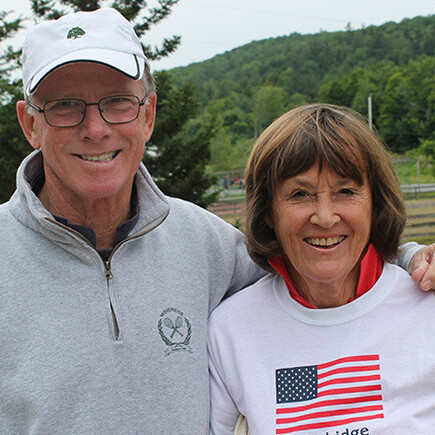
Ted Hoehn
Co-founder, Windridge Tennis Camp, 1968
Ted grew up with a racquet in his hand as the son of Red Hoehn, the Dartmouth College tennis and squash coach. He played his first tournament at age seven and went on to be ranked number one in New England in the 13, 15, and 18-and-under divisions. After a standout college career at the University of North Carolina, playing #2 singles and #1 doubles for the Tar Heels, Ted decided tennis would be his life’s work.
At 25, Ted was the New England Men’s Singles Champion and at a crossroads: pursue the professional circuit, as tennis was just becoming “Open” and offering prize money, or follow his father into teaching. When a letter arrived from Alden Bryan in the fall of 1967 proposing a summer tennis camp, Ted didn’t hesitate. It was an offer too good to pass up, and the start of a partnership that would shape Vermont summers for generations. Read more about Ted.
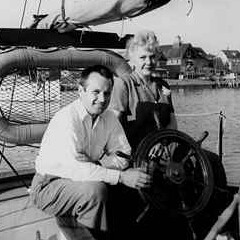
Alden Bryan
Co-founder, Windridge Tennis Camp, 1968
Alden Bryan was a well-known Vermont landscape artist, businessman, and avid tennis player who played on the tennis team at Harvard. In the mid-1960s, he built the first indoor tennis club in Vermont, along with two outdoor clay courts in Jeffersonville, at the base of what was fast becoming a popular ski destination near Smugglers’ Notch.
The courts were packed in winter and quiet all summer, a problem that looked to Alden like an opportunity. When he wrote to Ted Hoehn in 1967, he was proposing more than a business partnership. He was laying the foundation for what would become one of Vermont’s most beloved summer camps.
How it started
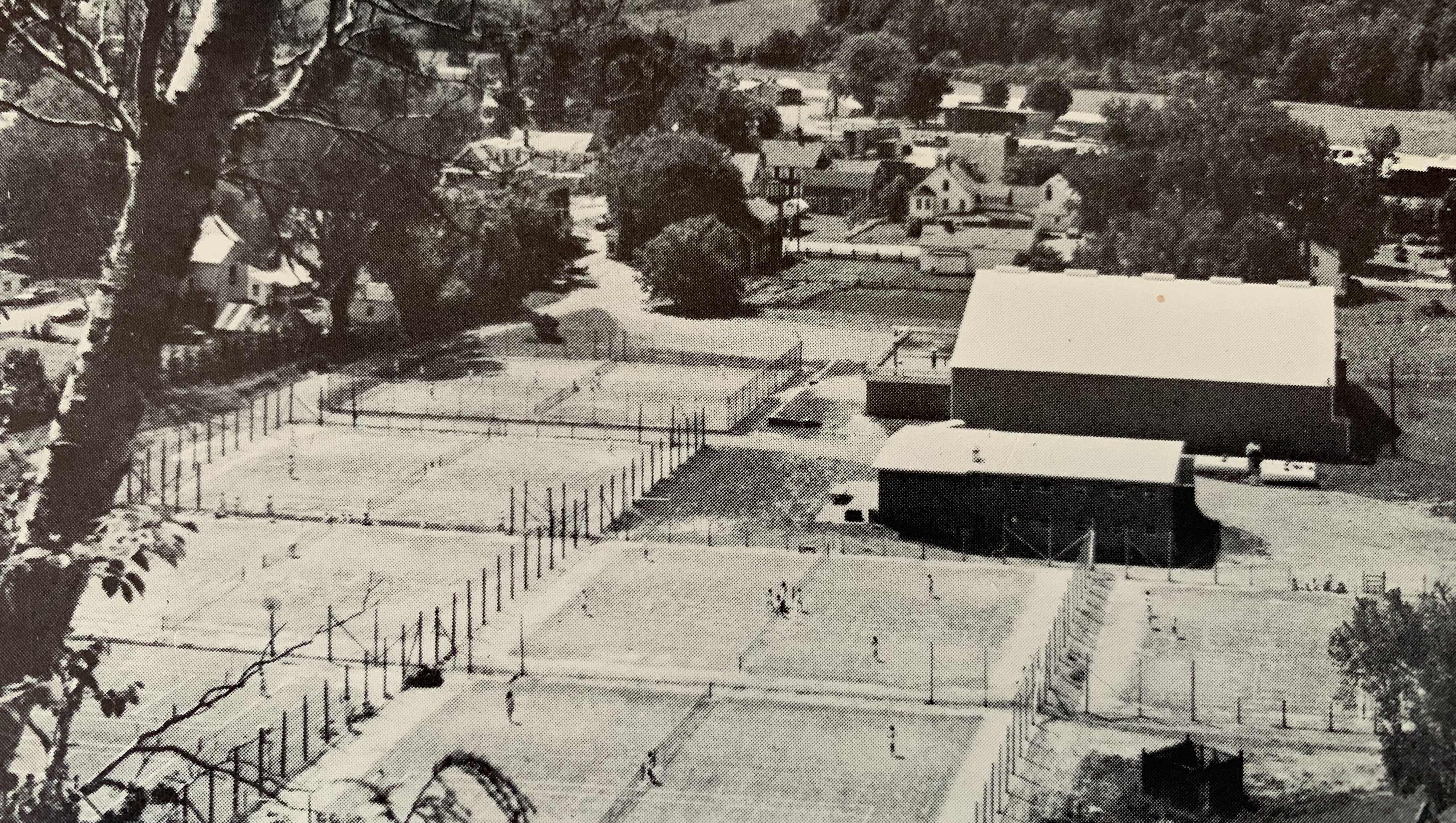
The first summer: Jeffersonville, Vermont, 1968
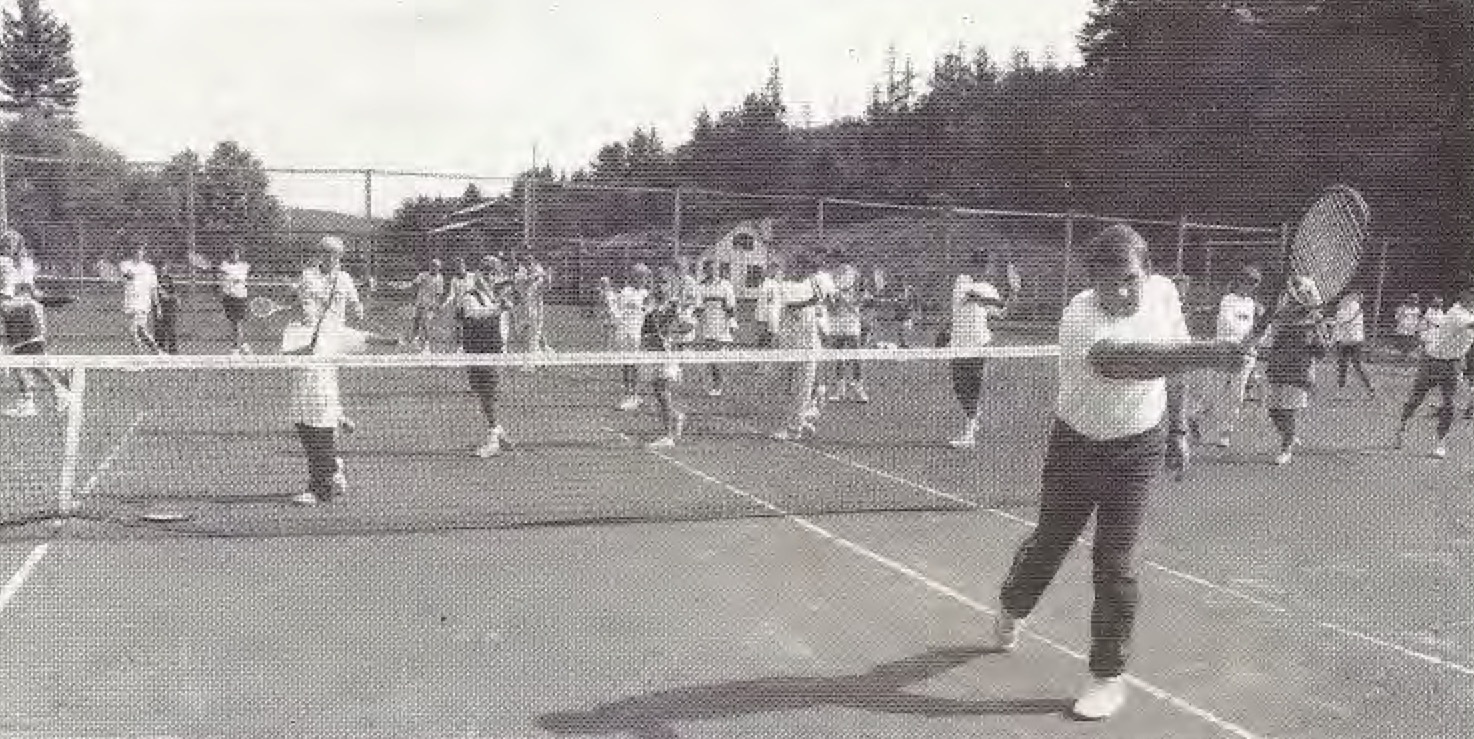
The first Windridge Tennis Camp opened its doors in June of 1968, the same year the U.S. Open was founded. Tennis was booming, and the timing could not have been better. Ted assembled a great staff, the food and lodging drew rave reviews, and that first summer attracted 63 campers from across New England.
Within five years, four courts had grown to twenty, six staff members had grown to more than twenty, and demand had far outpaced what the Jeffersonville site could hold. There was simply no more room to grow. It was time to expand, and expand they did.
The Windridge story
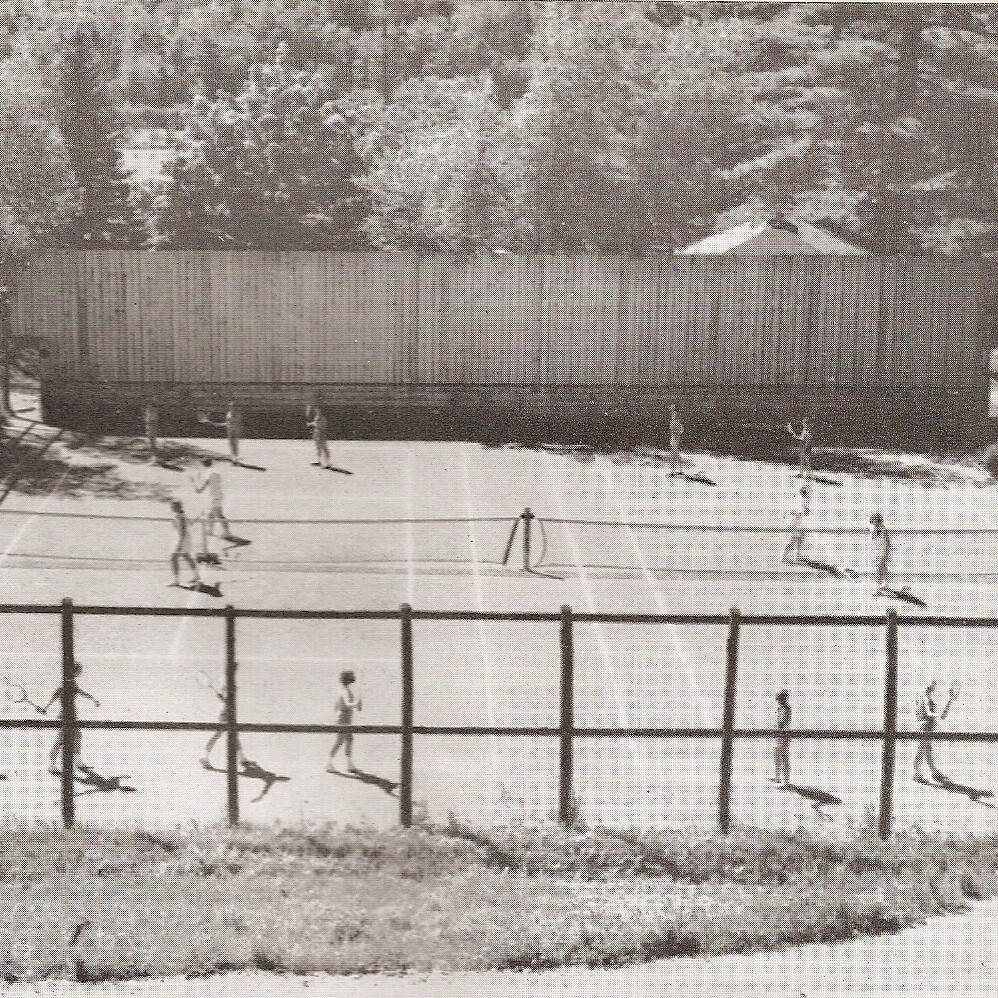
1968: Windridge at Jeffersonville
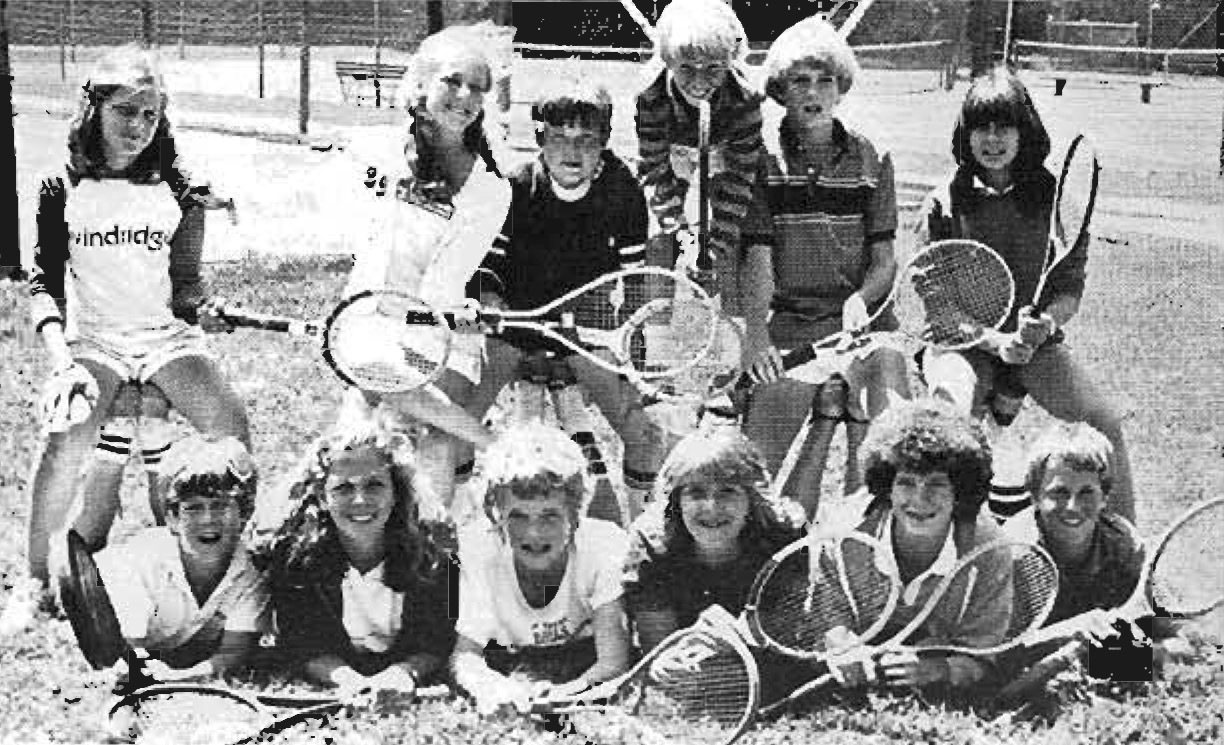
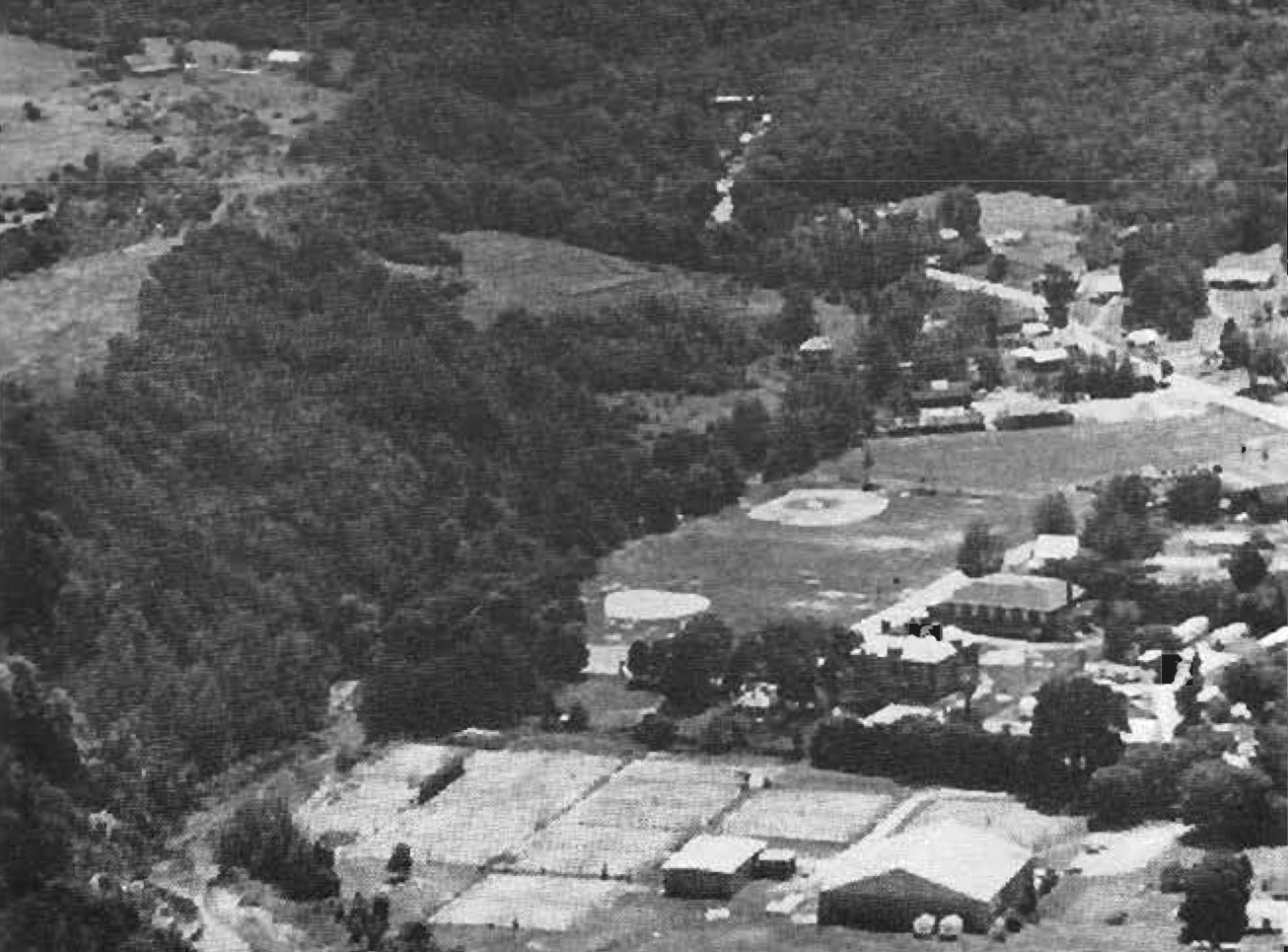
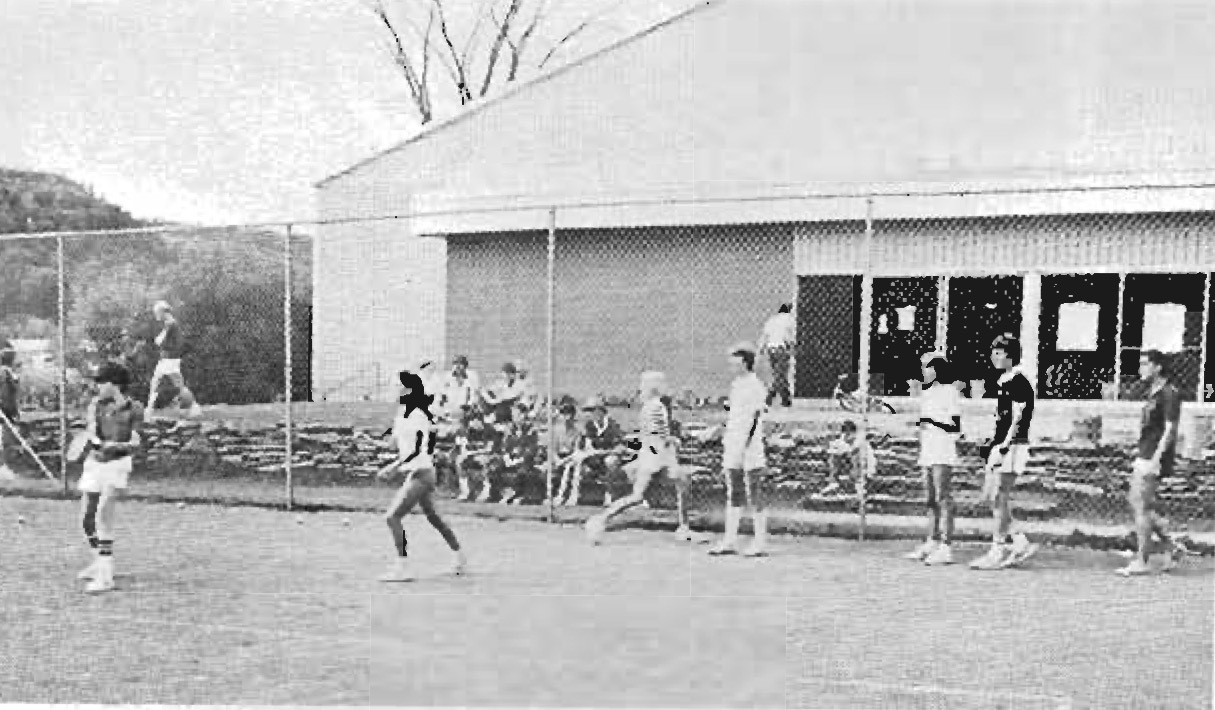
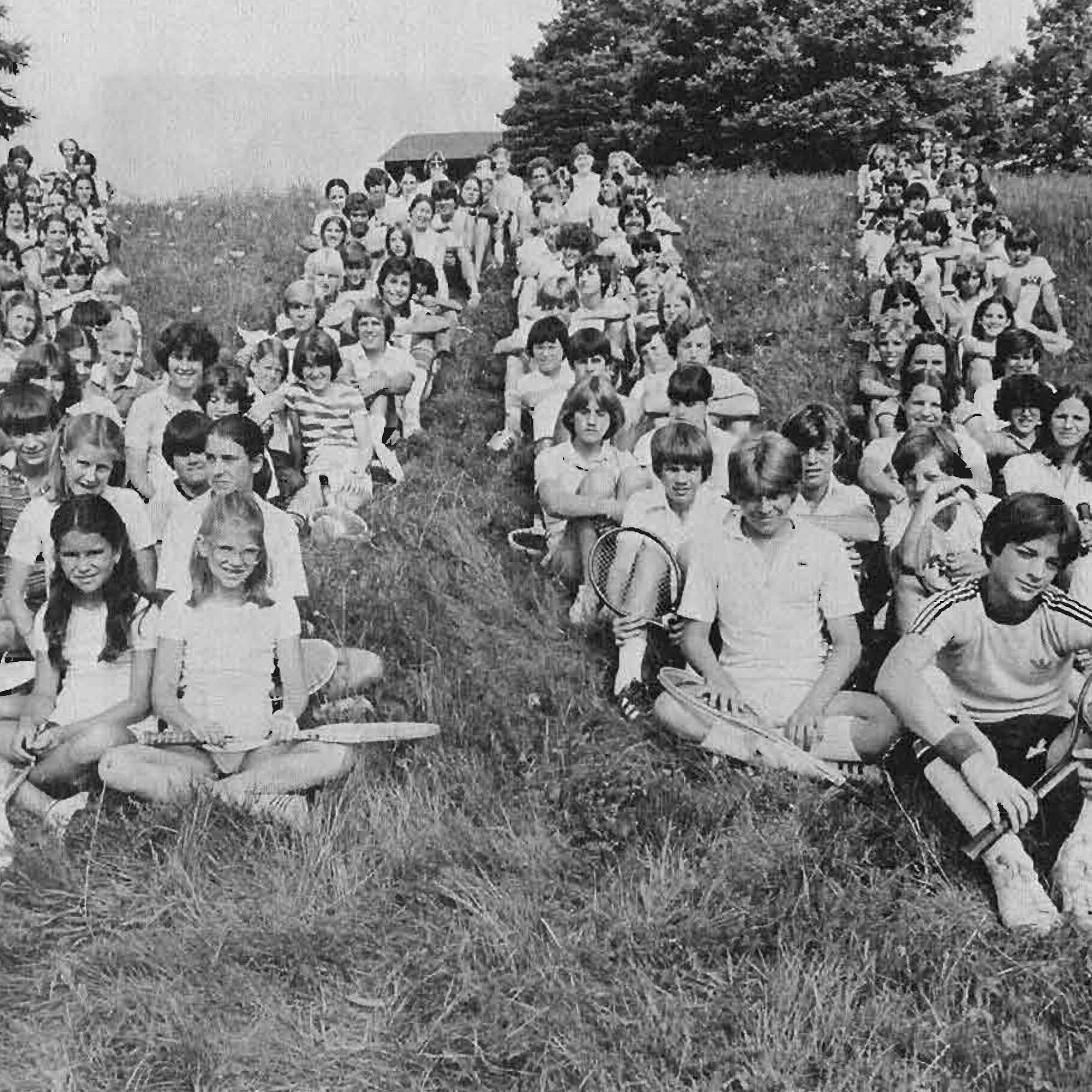
The original Windridge was a tennis camp at the base of Smugglers’ Notch, built on Alden Bryan’s indoor club and clay courts. The first summer drew 63 campers. By its fifth year, the camp had outgrown its home entirely, growing from four courts to twenty and from six staff to more than twenty.
Windridge at Jeffersonville ran from 1968 until 1988, twenty years that established the Windridge name, the Windridge culture, and the Windridge approach to teaching tennis to young people. Everything that came after was built on this foundation.


1974: Windridge at Craftsbury Common
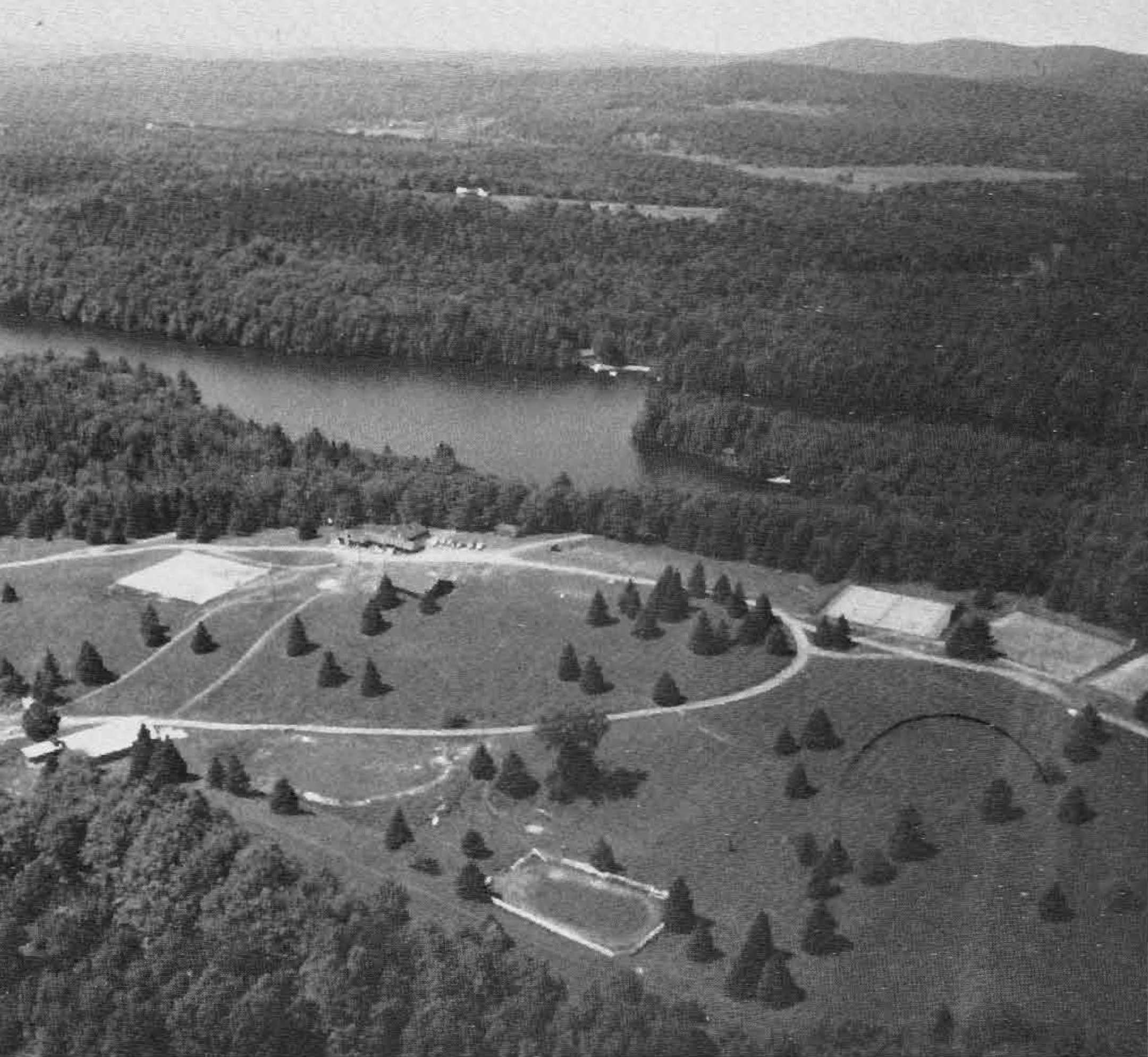
In 1974, a former all-girls camp on the shores of Lake Hosmer in Craftsbury Common came on the market, thirty miles northeast of Jeffersonville, with gorgeous mountain views and spectacular lake frontage. Bryan and Hoehn saw it immediately for what it was: the perfect expansion. Swimming and sailing joined the program, and fourteen clay courts were added alongside the two hard courts already there.
The property was extraordinary, with 26 buildings, including an Adirondack-style dining hall, an arts and crafts and theater building, a boathouse, an infirmary, and 20 sleeping cabins along the shoreline. It made for an idyllic setting, and Craftsbury became an instant hit. The key to its success, alongside its spectacular location, was hiring Charley Witherell as camp director. A former Jeffersonville staffer, Charley’s love of water sports, charismatic personality, and organizational skills made him the perfect person for the job. His wife, Pam, who managed the office, communications, and finances, was equally essential. They were a wonderful team.
Windridge at Craftsbury Common operated as a beloved Vermont institution through the summer of 2010, and Ted Hoehn sold the property in the spring of 2011.
1982: Windridge at Sugarbush
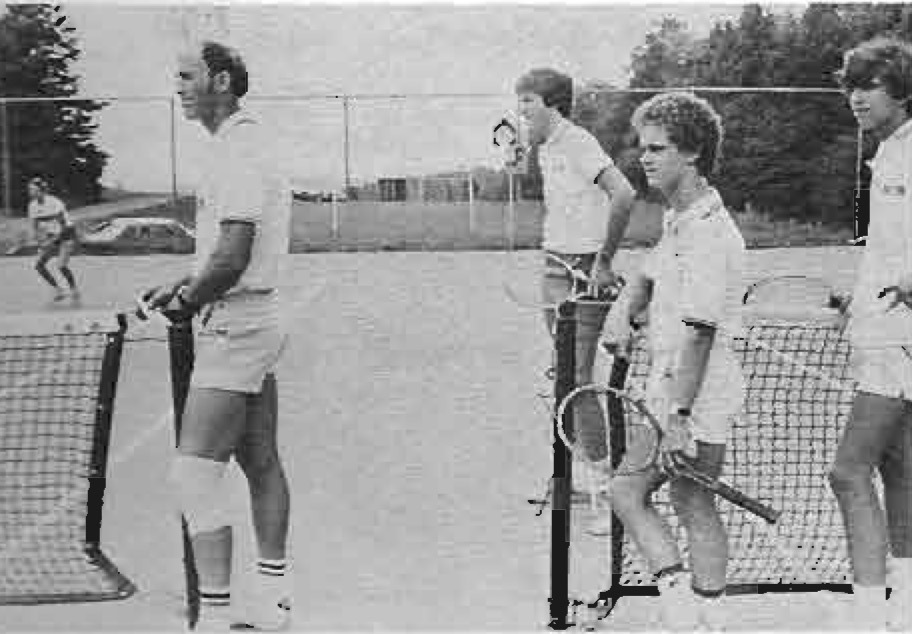
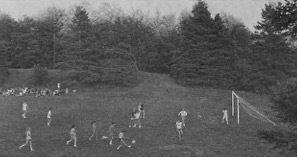
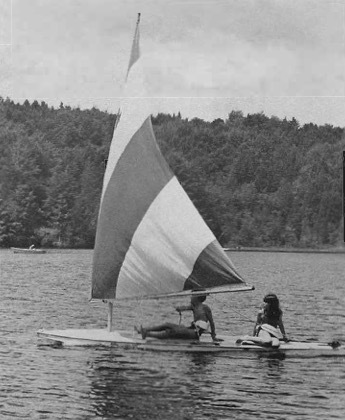
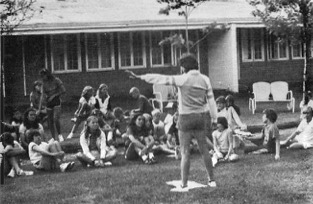
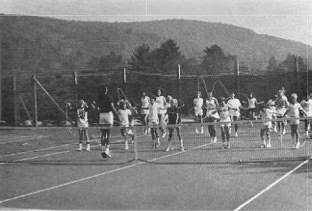
From 1982 to 1985, Windridge operated a third Vermont location in the Sugarbush Valley, bringing the program to one of Vermont’s most scenic regions. The Sugarbush campus offered the same tennis-focused program in a new setting and introduced a new generation of campers to the Windridge experience. It was a brief but meaningful chapter in the camp’s growth across the state.
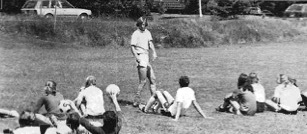
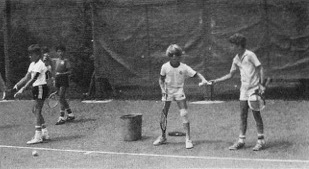
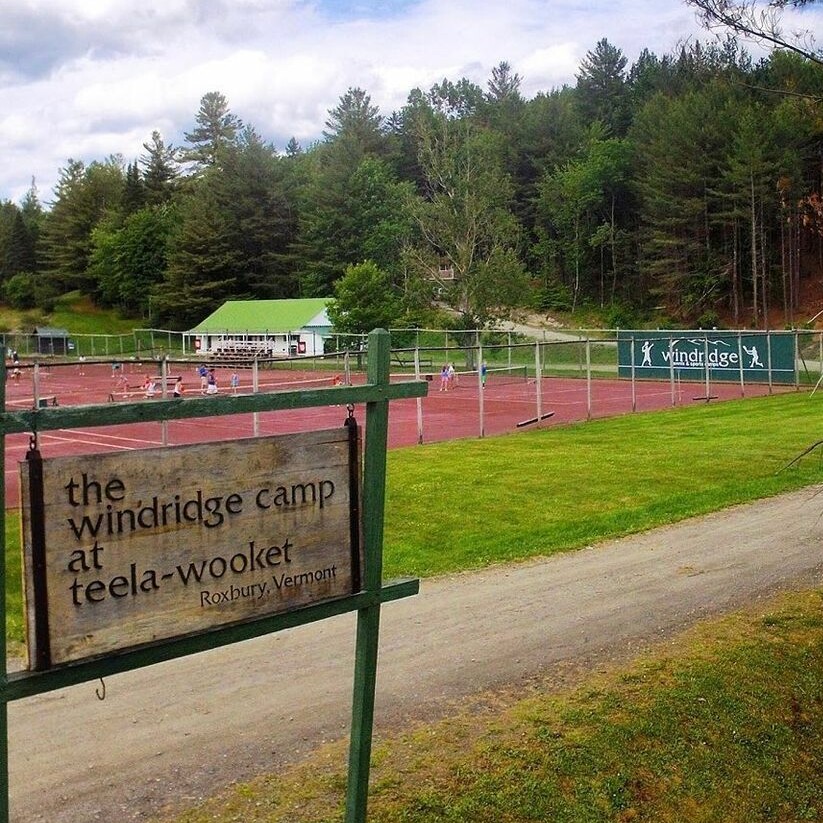
1984: Windridge at Teela-Wooket, our home
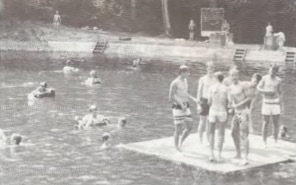
In 1984, with both Jeffersonville and Craftsbury operating at full capacity, Windridge acquired the Teela-Wooket property in Roxbury. A former all-girls horseback riding camp, it was one of the most remarkable pieces of Vermont property a summer camp could ask for: 150 acres, nearly 100 buildings (about 70 of them sleeping cabins), a spacious dining hall, a beautiful 44-stall barn, a swimming pond, three recreation buildings, and riding rings and playing fields as far as you could see.
The vision for Teela-Wooket was something new. It would combine the horseback riding heritage the property was built around with tennis, Windridge’s signature sport, and a team sport that could bring the whole camp together. Soccer was the natural choice, as the world’s most popular sport, played by boys and girls alike. Tennis, horseback riding, and soccer became the three pillars. Electives were introduced so that friends with different interests could attend together, build their own schedules, and still spend their evenings and cabin time side by side.
In 2021, golf was added as a fourth major, and Teela-Wooket continues to evolve. But the heart of it hasn’t changed since that first summer in Roxbury: a place where serious sport and real community happen at the same time, in one of the most beautiful corners of Vermont.


Windridge today
More than 55 years in, and still growing
More than five decades after that first summer in Jeffersonville, Windridge continues to welcome campers from across the United States and around the world into its community in the Green Mountains of Vermont. The facilities are bigger and better, the programs are broader, and the staff is exceptional, but the heart of it is exactly what Bryan and Hoehn set out to build in 1968.
A place where young people are encouraged to do well in things they love. Where sport is the vehicle for friendship, confidence, and character. Where every camper is known by name, every summer is someone's best summer, and the memories last a lifetime.
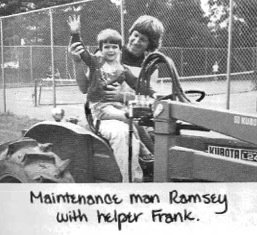
Today, Windridge is led by co-directors Ramsey and Nifer Hoehn. Ramsey, Ted’s son and our Director of Tennis, spent his own childhood summers at Windridge and carries on the family tradition on and off the court. Together, they continue to build on the foundation Ted and Alden created.
Ramsey and Nifer are joined by Norbert Auger, who came to Windridge in 2006 and served as camp director for many years. Today, as our Traditions and Culture Director, Norbert remains a beloved part of camp, and his experience, care, and dedication have been instrumental in shaping the Windridge experience.
Windridge families span generations. We regularly welcome the children and grandchildren of former campers, people who spent their own summers here and wanted the same for their kids. That continuity is something we’re enormously proud of, and it keeps us honest about what we’re building.
The Windridge story is still being written. We're glad you're reading it.
Explore more

Camp Programs
Tennis, soccer, horseback riding, golf, and many electives

Our Team
Meet the directors, coaches, and staff

Facilities
21 clay courts, a 22-stall barn, 2 soccer fields, a pool, nine-hole golf course & more

Dates & Rates
Session dates, tuition, available discounts & enrollment information
Be part of the next chapter
More than 55 years of summers, and the best ones are still ahead. We’d love to have your family join ours.