

Red Clay vs Har-Tru: Why Clay Courts Build Better Junior Tennis Players
By Ramsey Hoehn, Director
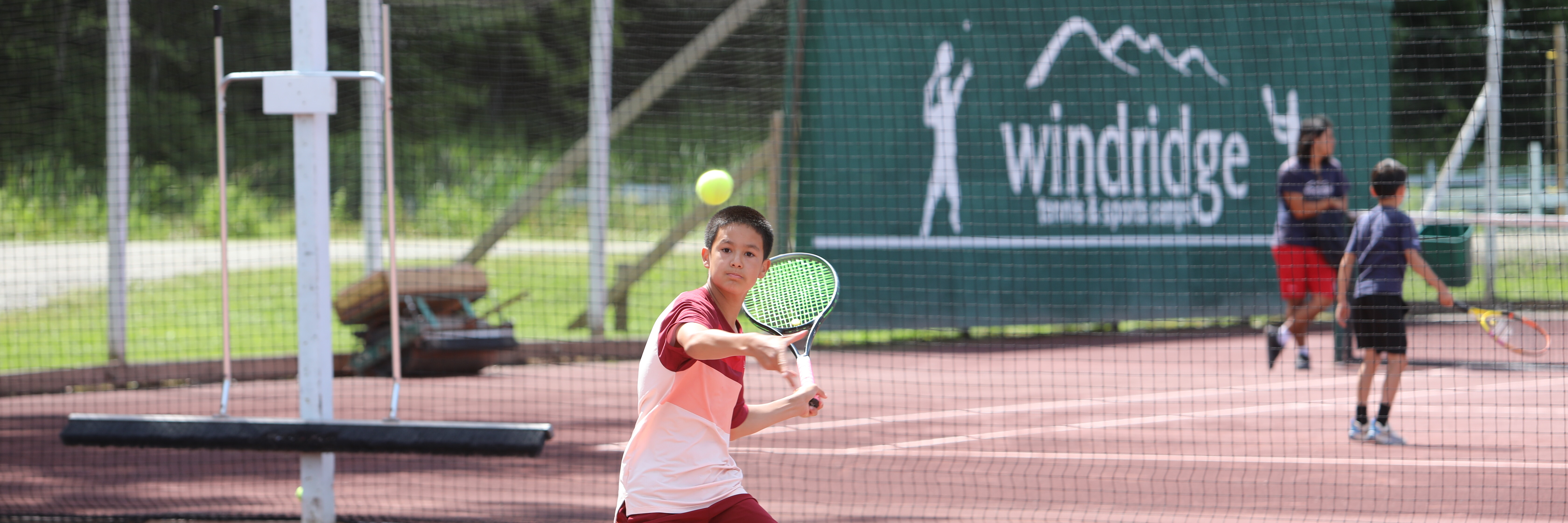
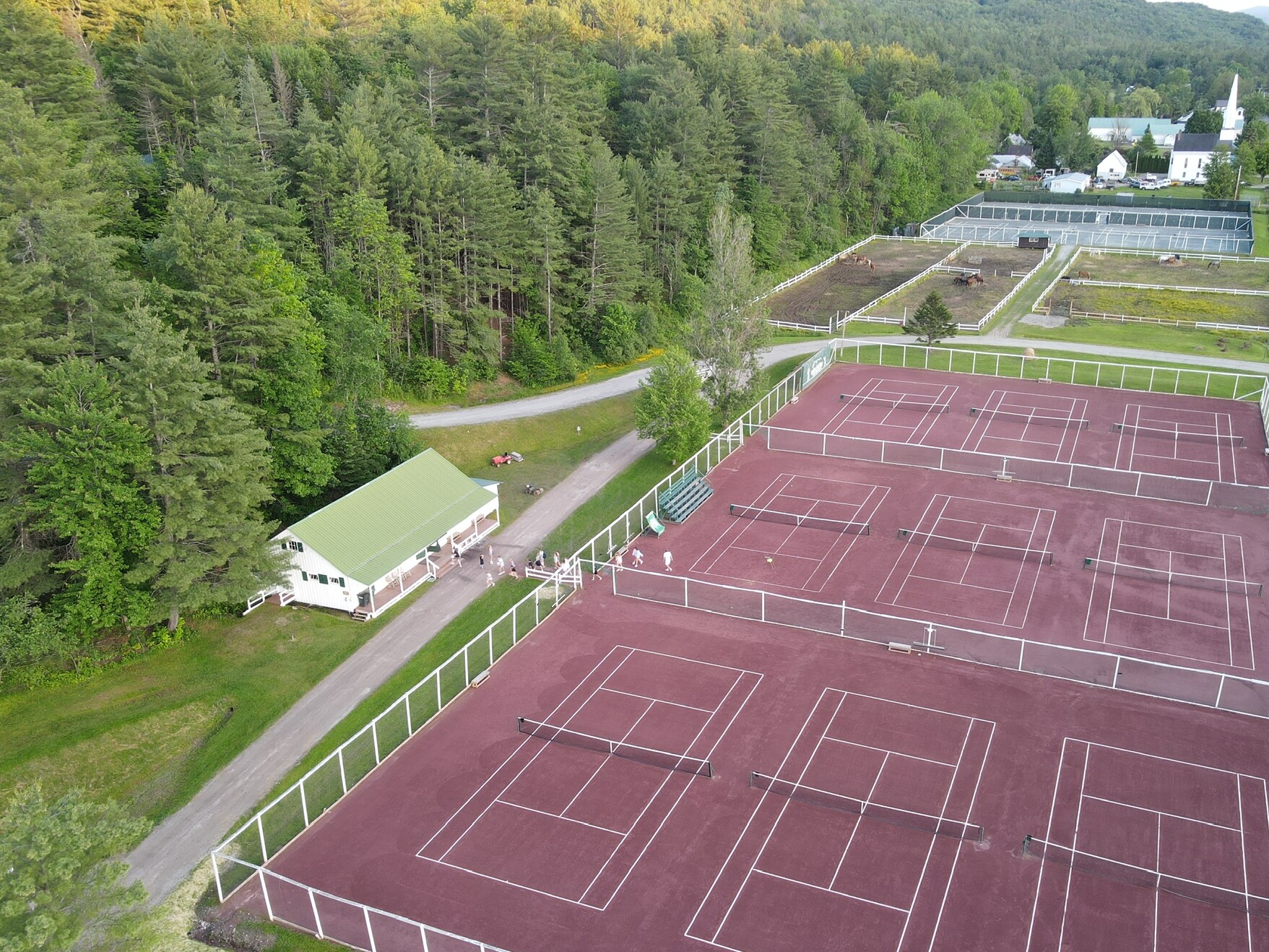
Every one of Windridge's 21 tennis courts is clay: 13 red clay and 8 Har-Tru. For a junior player, that choice of surface shapes how they learn the game, and it's one of the biggest differences between Windridge and most tennis camps.
Two kinds of clay
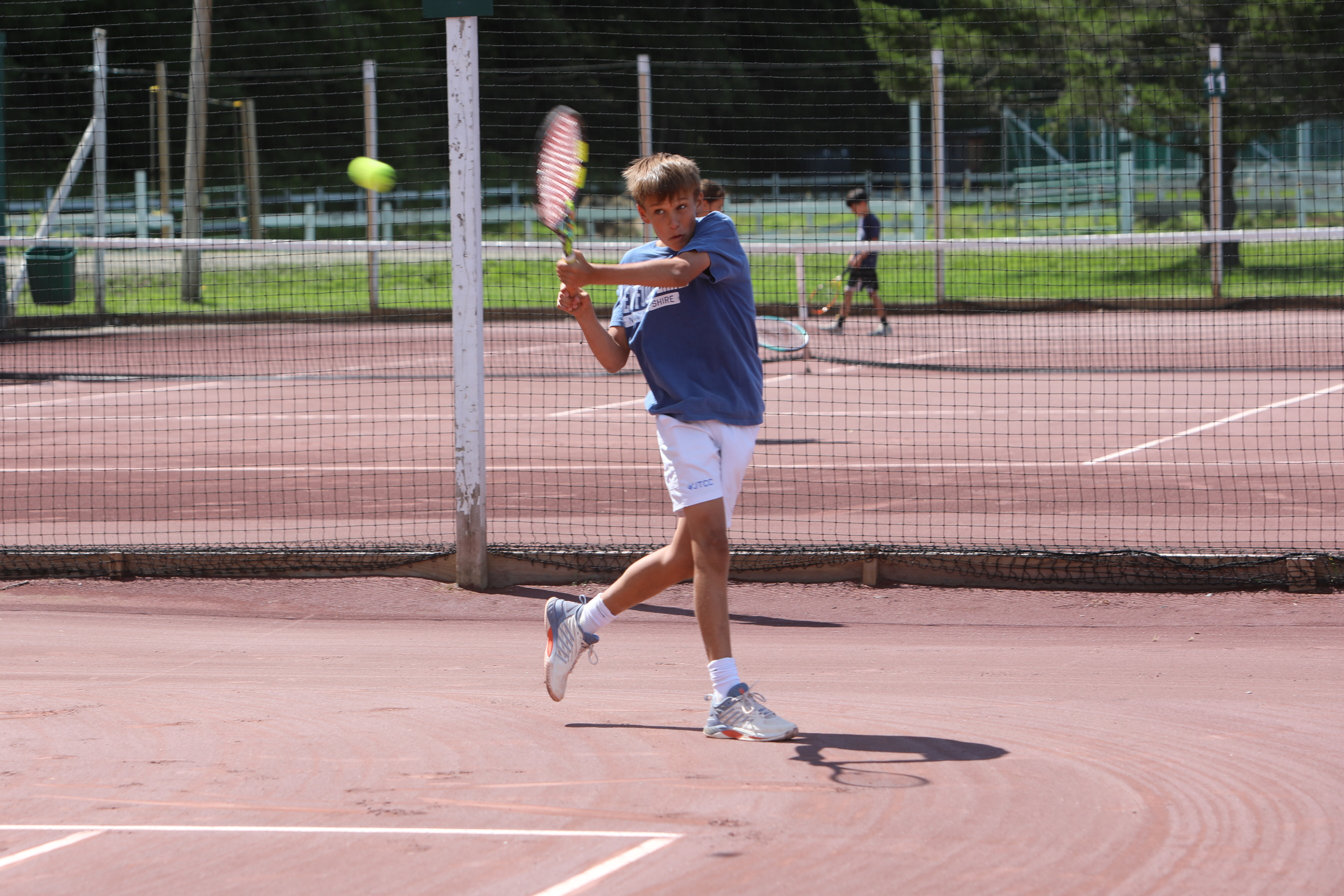
Red clay is the surface of the French Open and much of European junior tennis. It's made from crushed brick, and it plays slow, with a high bounce.
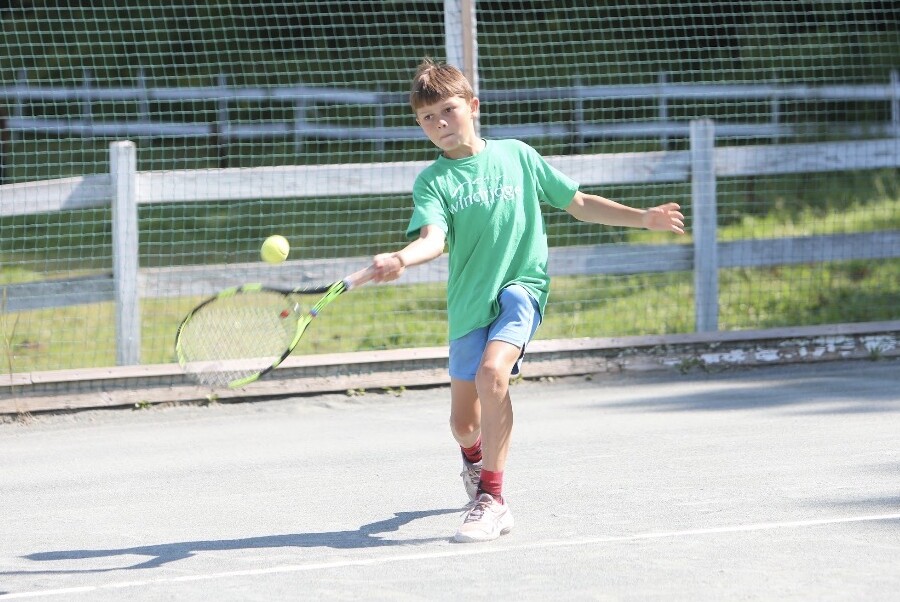
Har-Tru is the American clay, often called green clay. It's made from crushed stone, dries fast after rain, and plays slightly quicker than red clay while keeping a cushioned, predictable bounce.
Red clay |
Har-Tru |
|
|---|---|---|
Courts at Windridge |
13 |
8 |
Pace |
Slowest |
Slightly faster |
Bounce |
High |
Predictable, consistent |
On the body |
Soft, gentle on joints |
Cushioned, gentle on joints |
Where you'll see it |
French Open, European clubs |
American clay events and clubs |
Why it matters for a junior player
- More time to build technique. A slower ball gives young players an extra beat to set up, so they groove good strokes instead of rushed ones.
- Points are built, not blasted. Clay rewards patience, shot selection, and constructing a point, the tactical habits that carry to every surface.
- Topspin and footwork. The high bounce rewards heavy topspin, and sliding into the ball teaches balance and movement.
- Easier on growing bodies. Both surfaces absorb more impact than hard courts, which matters when a camper is playing multiple periods a day for 17 days.
- Confidence. A true, predictable bounce lets newer players rally longer and feel success sooner.
Playing on both clays also teaches adjustment. A camper who moves between red clay and Har-Tru learns to read pace and bounce, a skill that pays off on any court back home.
More courts, less waiting
With 21 courts, nobody waits for a court. Campers are assessed on day one and grouped by ability, not age, and our 1:4 instructor to camper ratio means real feedback every session. Many of our coaches are current college players.
What to bring
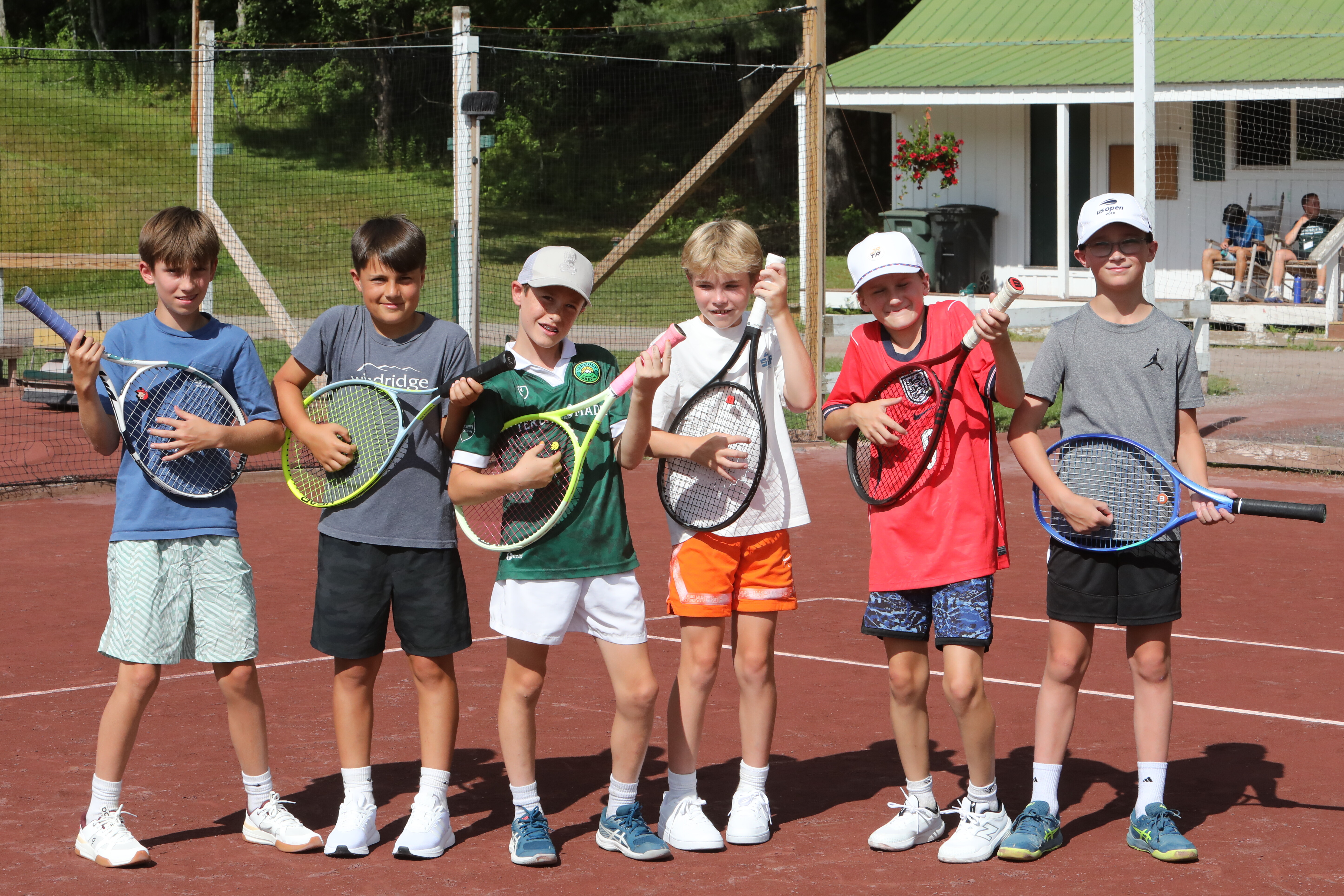
Clay court or flat soled shoes are required. Bring your own racquet, but we also have demos to try and racquets for sale.
See the full program on our Tennis page, or enroll for summer 2027.